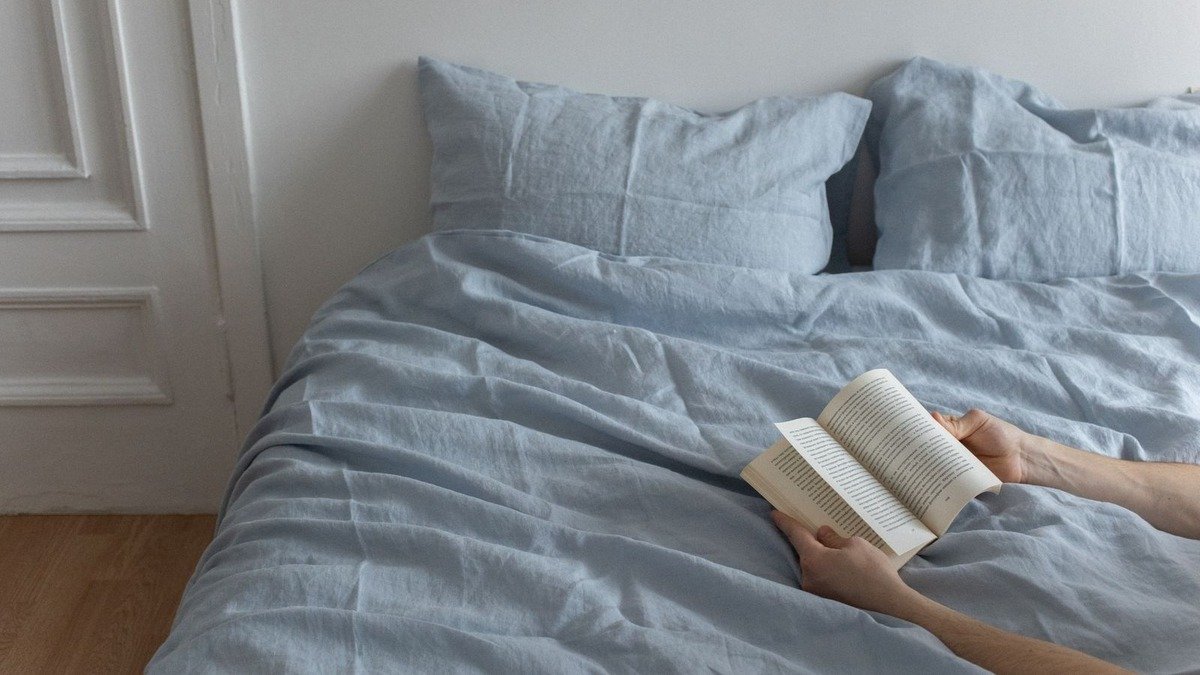
15 Things to Do Before Bed Instead of Scrolling
Choose something you can start with what is already beside you, enjoy for a little while, and put down without creating another job. A few pencil marks, a familiar song, or a small paper puzzle can fill the gap between putting your phone away and being ready for sleep. You do not have to become a reader or start an elaborate nighttime routine.
The useful question is: What would be pleasant now and easy to stop later? A hobby that works beautifully on a Saturday afternoon may be a poor choice when bedtime is close.
This guide is about that last part of the evening. For choosing a longer project earlier in the night, see these screen-free hobbies for after work.
Choose for the time you have left
Start by checking your actual bedtime. If you are already sleepy, there is no need to fill another half hour with an activity. Put the phone down and let the evening end.
If you want a short transition, choose one small unit: a page, a section, a song, or a few minutes of looking out a window. Include putting things away in the time available.
The estimates below are planning suggestions for supplies that are already accessible, not measured test results. Noise and effort depend on your materials, familiarity, and surroundings. “Bedtime fit” means practical suitability for a short wind-down, not a proven effect on sleep.
| Activity | Suggested window | Setup | Effort | Noise | Easy to pause? | Bedtime fit |
|---|---|---|---|---|---|---|
| Color one small area | 5–15 minutes | Book and pencils | Low | Very quiet | Yes | Good if fine detail feels comfortable |
| Draw repeated marks | 5–10 minutes | Paper and pencil | Low | Very quiet | Yes | Good without a finished-picture goal |
| Read familiar pages | 5–20 minutes | Book | Low to moderate | Very quiet | Yes | Choose something you can leave |
| Do one paper puzzle section | 5–15 minutes | Book and pencil | Variable | Very quiet | Yes | Skip it if solving becomes absorbing |
| Make a tiny paper collage | 10–20 minutes | Prepared paper pieces | Low to moderate | Paper rustling | Yes, before gluing | Better at a table |
| Repeat a known crochet stitch | 10–20 minutes | Existing project | Low if familiar | Quiet | Yes, with loop secured | Earlier in wind-down; put tools away |
| Build a miniature component | Longer session | Kit and clear surface | Often moderate | Variable | Depends on step | Earlier evening, away from bed |
If you have five or ten minutes
1. Color one small area
Choose three pencils and one shape. You do not need a new adult coloring book; a simple shape drawn on scrap paper works too. Finish at the edge of that shape or stop partway through.
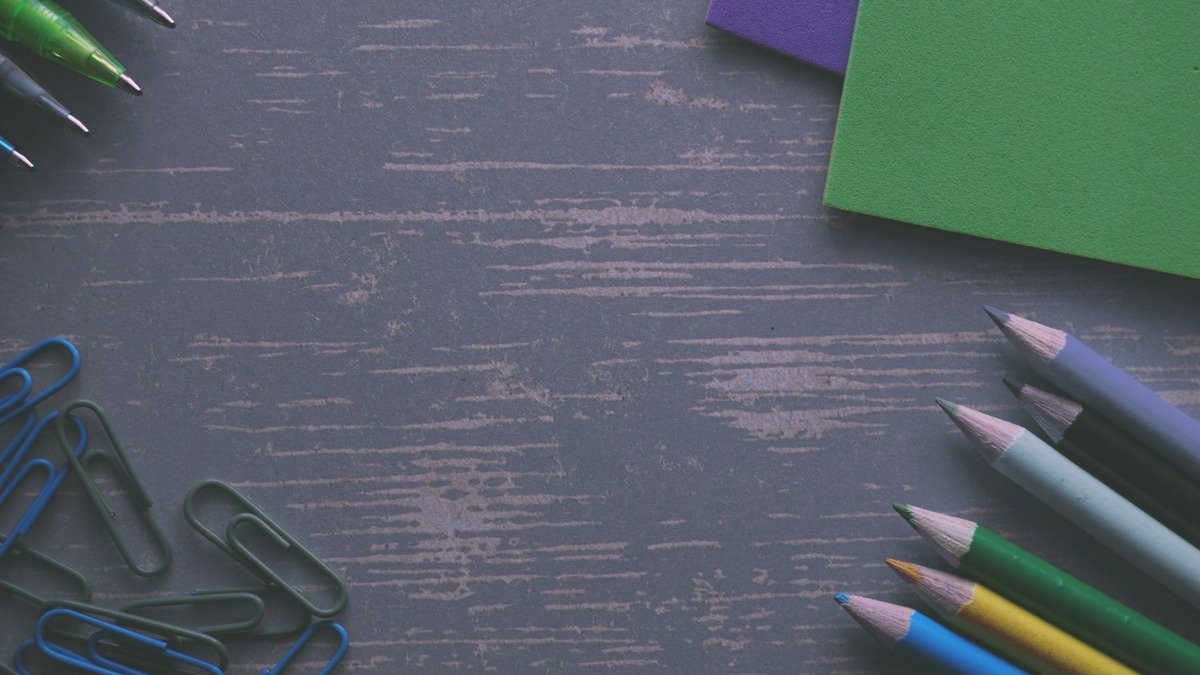
If a detailed page makes you squint or feel obligated to complete it, choose larger shapes. Comfortable task lighting matters more than making the room look atmospheric.
2. Fill a small box with repeated pencil marks
Draw a rectangle about the size of a sticky note. Fill it with rows of loops, dots, short lines, or overlapping circles. Pick one mark and repeat it without looking for a tutorial.
This is a drawing exercise, with no special mental state required. Stop when your hand is tired or the activity stops being interesting. The unfinished space can stay empty.
3. Write a note that closes one loose end
If you keep rehearsing a practical task, write it down with the next action: “Return library books; put bag by door.” Then close the notebook. Avoid turning this into a complete review of everything unfinished in your life.
If writing leads to more planning, switch to a less verbal activity. The goal is a short transition, not a new nighttime planning assignment.
4. Look through a few printed photographs
Choose a small stack already printed. Look at the details or put two favorites together. You can enjoy the photographs without organizing the entire collection or making a scrapbook tonight.
Avoid opening your phone to find “just one more” image. If you do not have printed photos, choose another option rather than creating a preparation project.
5. Listen to one familiar piece of music
Use a radio, CD player, or another device you already own. If the music lives on your phone, choose it before settling down and put the display out of reach. That is a screen-light transition rather than a completely device-free activity.
Pick something you like without needing to search for the perfect playlist. One track is a clearer endpoint than an endless recommendation feed.
If you want something to do with your hands
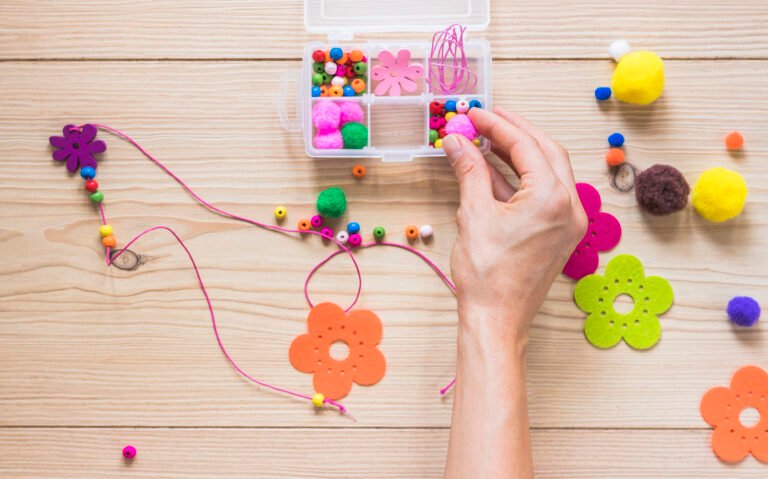
6. Make a small paper color arrangement
Take three scraps of paper and arrange them on a postcard-sized base. Try overlapping their edges or leaving one large empty area. You can leave them unglued in an envelope and return another day.
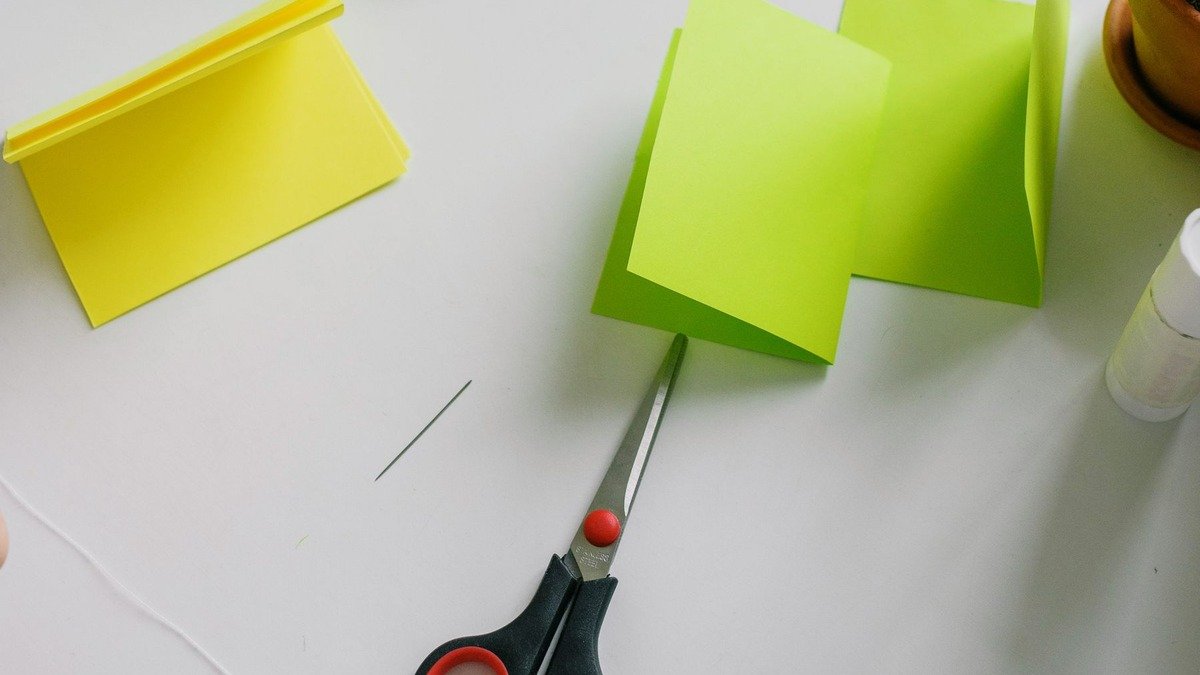
Use already-cut pieces or tear the paper. Save craft knives and fiddly trimming for a time when you are alert. This is a table activity; loose scraps are easier to contain there.
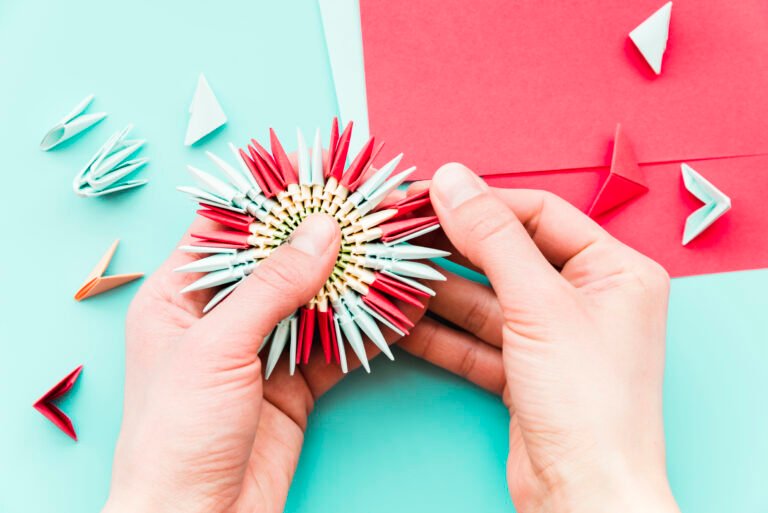
7. Fold a simple paper accordion
Fold a strip of paper back and forth into a small concertina. Keep the folds roughly even, or let them vary. Open it and see what the shadows do across the ridges.
There is no need to turn it into a complicated origami model. If following diagrams is the part you enjoy, save a printed pattern for an earlier session when learning feels inviting.
8. Work a few familiar crochet stitches
Use a project you already understand, without a new stitch or tricky color change. Secure the working loop with an appropriate stitch marker before putting it away. Leave a note about where to continue if the pattern needs one.
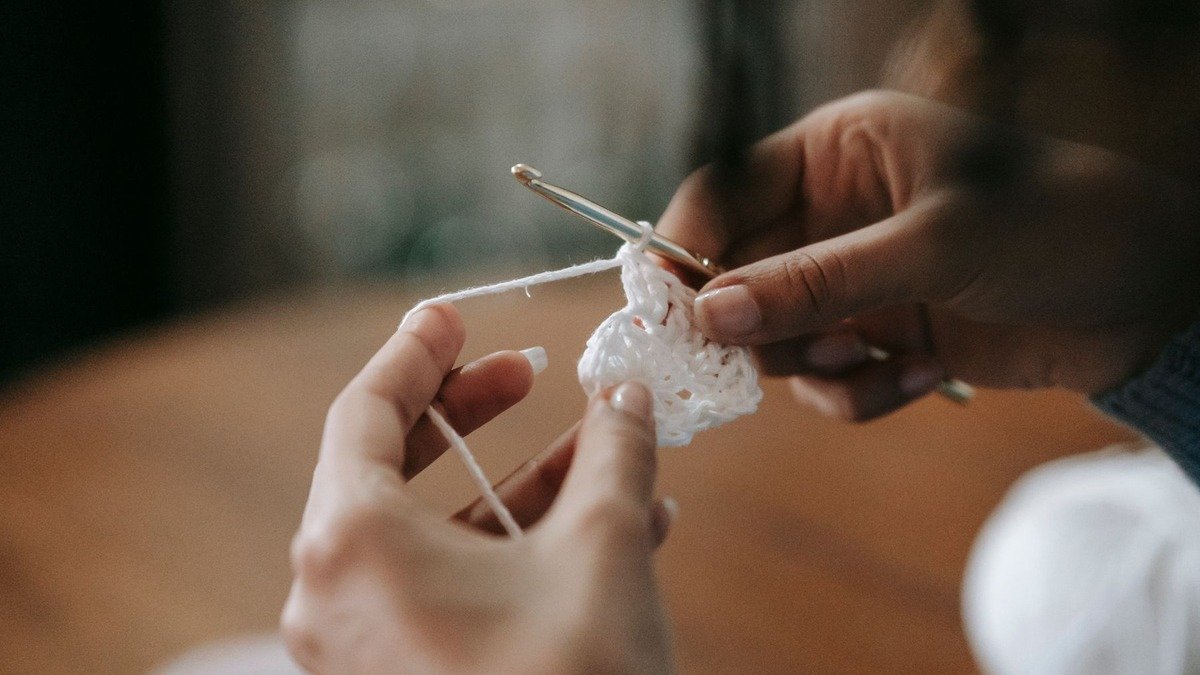
Crochet is not automatically low effort for a beginner. Learning where to insert the hook can require considerable attention. If you want broader starting points, the handmade crafts guide introduces several different materials.
9. Sort a small handful of jigsaw pieces
Use a covered board or tray on a table. Choose one modest task, such as collecting a few blue pieces or finding part of an edge. You can leave a piece unsolved.
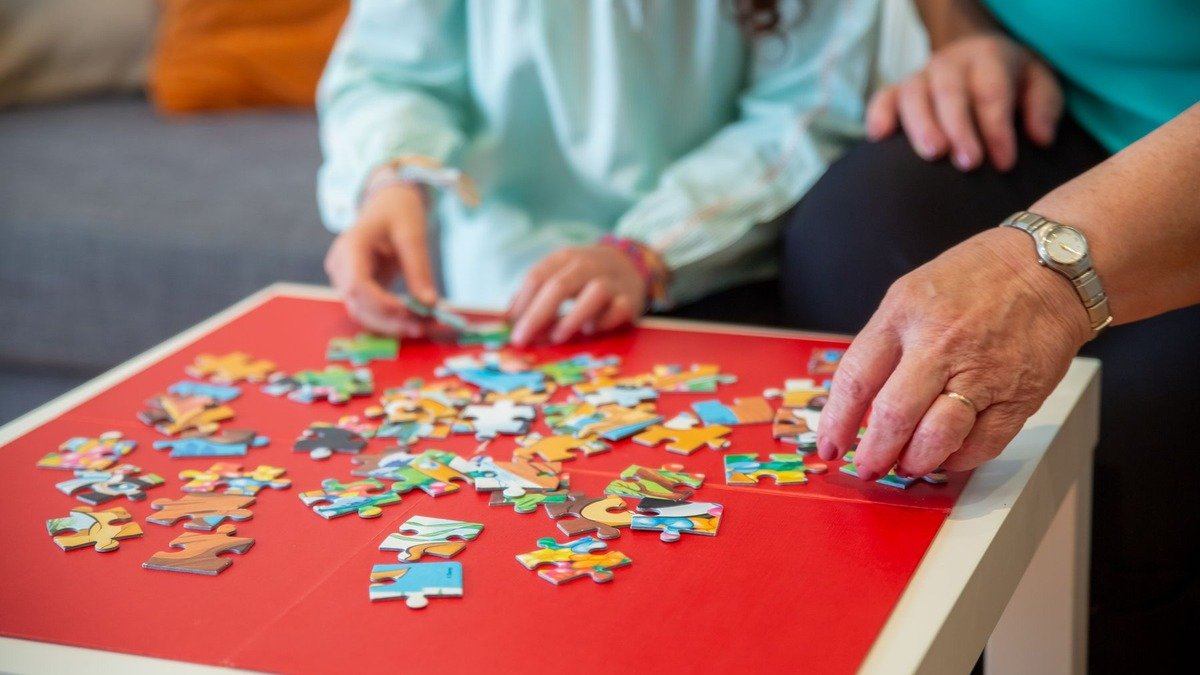
If a puzzle makes you determined to find the next connection, choose an activity with less of a challenge. Stop while there is still time to cover and store the pieces safely.
10. Add one detail to a paper memory page
Write a caption under an existing photograph, add a paper border, or place a ticket stub on a page. Choose one addition rather than designing a full album spread.
You can use a loose sheet and an envelope instead of buying supplies. Keep personal documents private, and use copies if you would regret damaging an original.
If you would rather leave craft supplies closed
11. Read something familiar
Revisit a favorite chapter, a few poems, or a magazine page. A book does not need to teach you anything to be worth reading.
Reading is optional. If you dislike it, have tired eyes, or find yourself chasing the next chapter, use music, a short drawing exercise, or simple observation instead. A list of alternatives to scrolling should offer genuine alternatives to reading too.
12. Try a small section of a paper puzzle
Fill a few crossword answers or try an easy puzzle you can leave unfinished. Keep the pencil in the book so setup is already done tomorrow.
Choose a familiar difficulty. If you feel frustrated or increasingly alert, put it aside. Screen-free does not necessarily mean quieting or easy.
13. Write a few lines to someone
Use a card or notebook to draft a small message: a memory, a thank-you, or something you would like to tell a friend. You do not have to send it tonight.
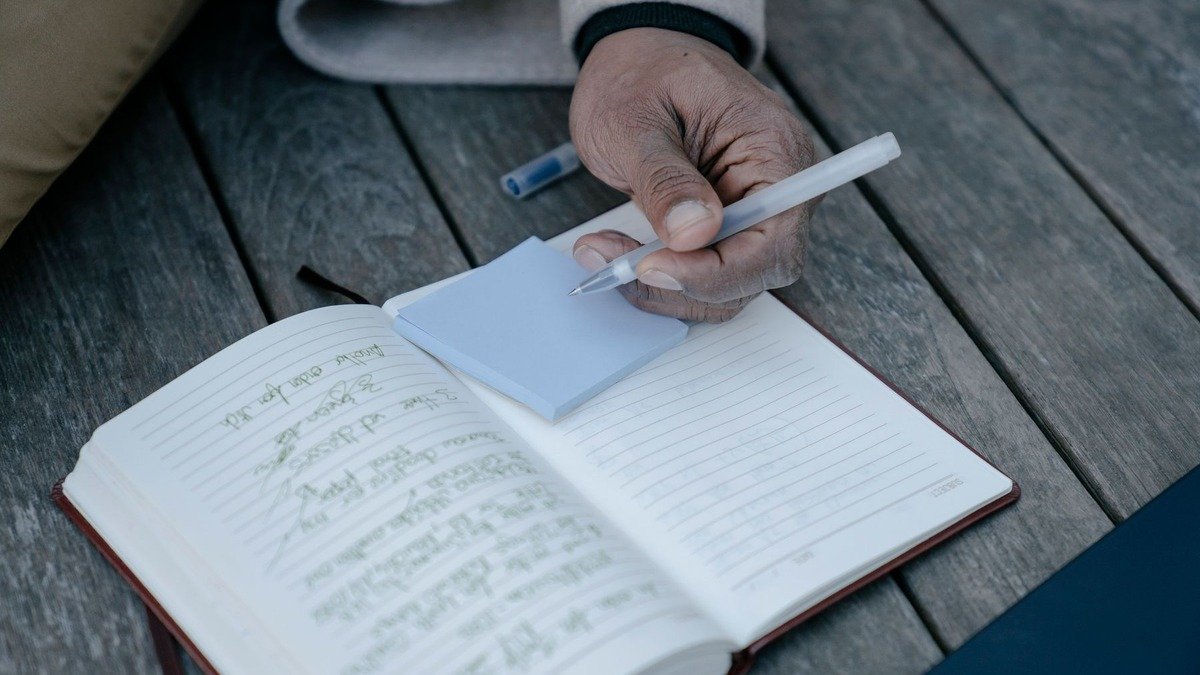
For a short wind-down, avoid starting an emotionally difficult conversation or an extensive letter. A few ordinary lines are enough, and they can remain private.
14. Notice the room from a comfortable seat
Look at the shape of a plant leaf, the rain on the window, or the way light falls across a shelf. You can sit without producing a result or recording the moment.
Keep lighting sufficient to move safely. If sitting quietly feels uncomfortable, choose an activity that gives your hands something simple to do. Stillness is one option, not a test you need to pass.
15. Do a familiar part of your usual care routine slowly
Brush your hair, change into comfortable clothes, or wash your face using products you already tolerate. Let that be the end of the routine instead of adding more steps.
You do not need a special purchase to mark the transition. Some nights, meeting your ordinary needs and going to bed is the most useful choice available.
A simple way to make your choice available
Before the evening gets late, choose one default and one backup. For example: “Coloring if my eyes feel comfortable; music if they do not.” Set out only those materials.
Decide where the phone will go. If you need to remain reachable for caregiving or work, choose a workable arrangement rather than pretending every notification can disappear. Keep necessary calls available while putting distracting feeds out of immediate reach, using settings you understand.
Give the activity an endpoint. Write “close book” or “cover tray” on a small card if that helps. For a ten-minute window, leave the final couple of minutes for putting things away. This is a planning example, not a scientifically established routine.
If you return to scrolling, check the friction: Was the alternative ready? Was it enjoyable? Did it require more concentration than you had? Adjust the activity instead of treating the evening as a failed streak.
Which crafts are better saved for earlier?
Keep needles, sharp blades, hot tools, adhesives, tiny loose parts, and wiring away from bedding. Avoid starting a step that needs curing, continuous supervision, or a long cleanup when you want to stop soon. A craft can be quiet and still require careful attention.
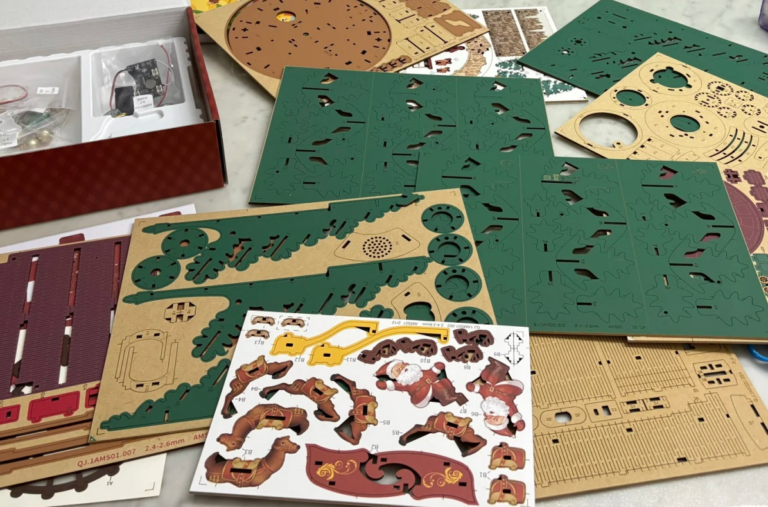
Miniature building often works better earlier in the evening at a clear table. Choose a component, read the instructions, and identify a safe stopping point before opening adhesive or removing many parts. The guide to how long miniature builds take can help you think in sessions rather than expect a whole kit to fit before bed.
Does this mean a craft will improve your sleep?
No particular hobby guarantees better sleep. The National Heart, Lung, and Blood Institute recommends a quiet period before bed and avoiding bright artificial light. That general advice does not establish that coloring, crochet, or model building treats insomnia.
Use these ideas to choose an enjoyable way to spend the transition. If an activity keeps you up, requires uncomfortable lighting, or feels like another obligation, change it. Persistent trouble sleeping deserves a conversation with a qualified healthcare professional.
Tonight, choose one available object and one stopping point. You can leave the rest of this list for another evening.