
What Are the Best Screen-Free Hobbies for Adults in 2026?
In 2026, most of us spend more time than ever in front of screens—working on laptops, scrolling on phones, and relaxing with streaming platforms. While digital life brings convenience, it also leads to mental fatigue, stress, and burnout.
That’s why more adults are actively searching for screen-free hobbies that help them slow down, relax, and reconnect with real-world experiences.
This guide explores the best screen-free hobbies for adults in 2026, especially activities that are calming, creative, and easy to start at home.
Why Screen-Free Hobbies Matter More Than Ever
Modern life is overloaded with digital input. Studies consistently show that excessive screen time can contribute to:
- Mental fatigue
- Reduced focus
- Sleep disruption
- Increased anxiety
- Lower creativity
Screen-free hobbies help restore balance by giving your brain a break from constant stimulation.
They also offer something screens cannot:
a sense of touch, presence, and slow satisfaction.
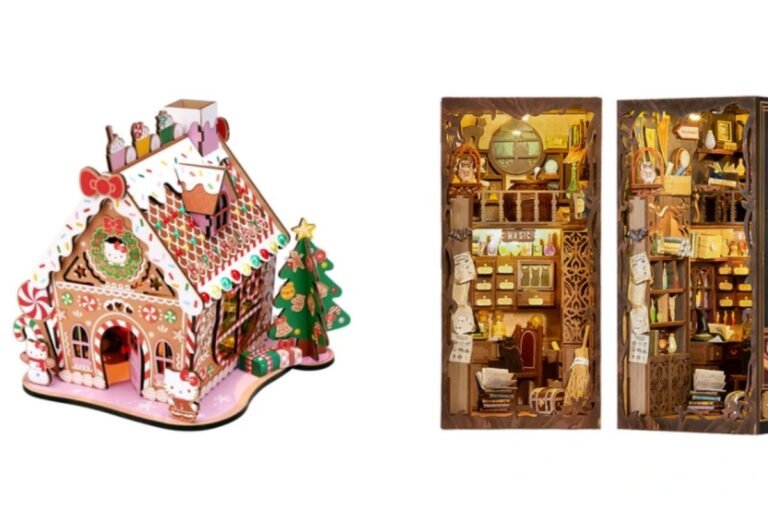
1. DIY Craft Kits (Miniature Building & Book Nooks)
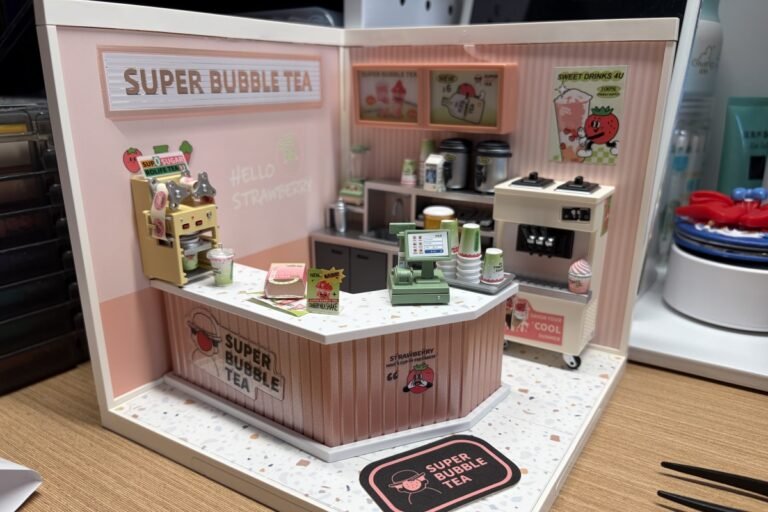
One of the fastest-growing screen-free hobbies in 2026 is DIY miniature crafting.
Activities like building miniature houses or book nooks allow adults to:
- Focus on hands-on work
- Follow step-by-step assembly
- Experience deep concentration (flow state)
- Create beautiful home décor pieces
Popular examples include miniature rooms, cafés, libraries, and seasonal scenes.
Unlike passive entertainment, DIY kits give you a physical sense of achievement when you finish a project.
2. Crochet and Hand Knitting
Crochet is one of the most calming repetitive crafts. The rhythmic motion helps:
- Reduce anxiety
- Improve focus
- Create a meditative state
It’s also highly flexible—you can make blankets, small dolls, home decor, or even combine crochet with miniature crafts for unique hybrid projects.
Crochet is especially popular among people who want something relaxing they can do while listening to music or podcasts (without staring at a screen).
3. Journaling and Creative Writing
Writing by hand is a powerful screen-free habit that helps organize thoughts and reduce mental overload.
You can try:
- Gratitude journaling
- Daily reflection
- Morning pages
- Creative storytelling
Journaling helps slow down racing thoughts and improves emotional clarity.
4. Puzzles and Model Building
Traditional puzzles and 3D model kits are making a strong comeback.
They are:
- Low-pressure
- Highly immersive
- Reward-based (you see progress visually)
These hobbies are great for people who want something structured but relaxing.
5. Painting and Sketching
You don’t need to be “good at art” to enjoy painting or drawing.
Benefits include:
- Emotional expression
- Stress relief
- Improved focus
- Mindfulness practice
Even simple watercolor painting or sketching objects around your home can feel deeply grounding.
6. Gardening and Plant Care
Gardening connects you directly with nature. Even small indoor plants can become a calming daily ritual.
It helps:
- Reduce stress
- Improve mood
- Build patience
- Create a sense of responsibility and care
Watching something grow slowly over time is one of the most rewarding offline experiences.
7. Baking and Cooking as a Creative Hobby
Cooking is often seen as a daily task, but it can also become a mindful hobby.
Measuring ingredients, following recipes, and creating something from scratch is deeply satisfying.
Bonus: you get something delicious at the end.
8. Reading Physical Books
Reading paper books remains one of the best ways to disconnect from screens.
It improves:
- Focus
- Vocabulary
- Imagination
- Sleep quality (especially before bed)
Creating a cozy reading corner can turn this into a daily ritual.
9. Scrapbooking and Memory Crafts
Scrapbooking combines creativity with emotional storytelling.
You can preserve:
- Travel memories
- Family moments
- Personal milestones
It’s a very grounding hobby that helps you slow down and reflect.
10. Mindful DIY Rituals (Slow Crafting)
Not all hobbies need to be complex. Even simple crafts like:
- Folding paper
- Organizing craft supplies
- Making small decorative items
- Assembling DIY kits
can become powerful mindfulness practices when done slowly and intentionally.
Final Thoughts
Screen-free hobbies are not about rejecting technology—they are about restoring balance.
In 2026, the most valuable hobbies are not the fastest or most productive ones, but the ones that help you:
- Slow down
- Feel present
- Create something with your hands
- Reconnect with yourself
Whether it’s crochet, miniature building, painting, or journaling, the best hobby is the one that helps your mind feel lighter.