Why 3D Printing Is Becoming the New Creative Hobby for Adults
For years, modern life has made us better consumers than creators.
We buy things, use things, and replace things — but we rarely experience the joy of making something completely our own.
That is one reason why 3D printing has started attracting a growing community of creators, DIY enthusiasts, and hobby makers.
From miniature model builders to artists, engineers, and everyday hobbyists, more people are discovering that 3D printing is not just a technology.
It is a new way to bring imagination into the real world.
From Consumers to Creators
The most fascinating part of 3D printing is not the machine itself.
It is the creative freedom it provides.
Traditional manufacturing often requires specialized equipment, expensive molds, and complicated production processes. But 3D printing works differently.
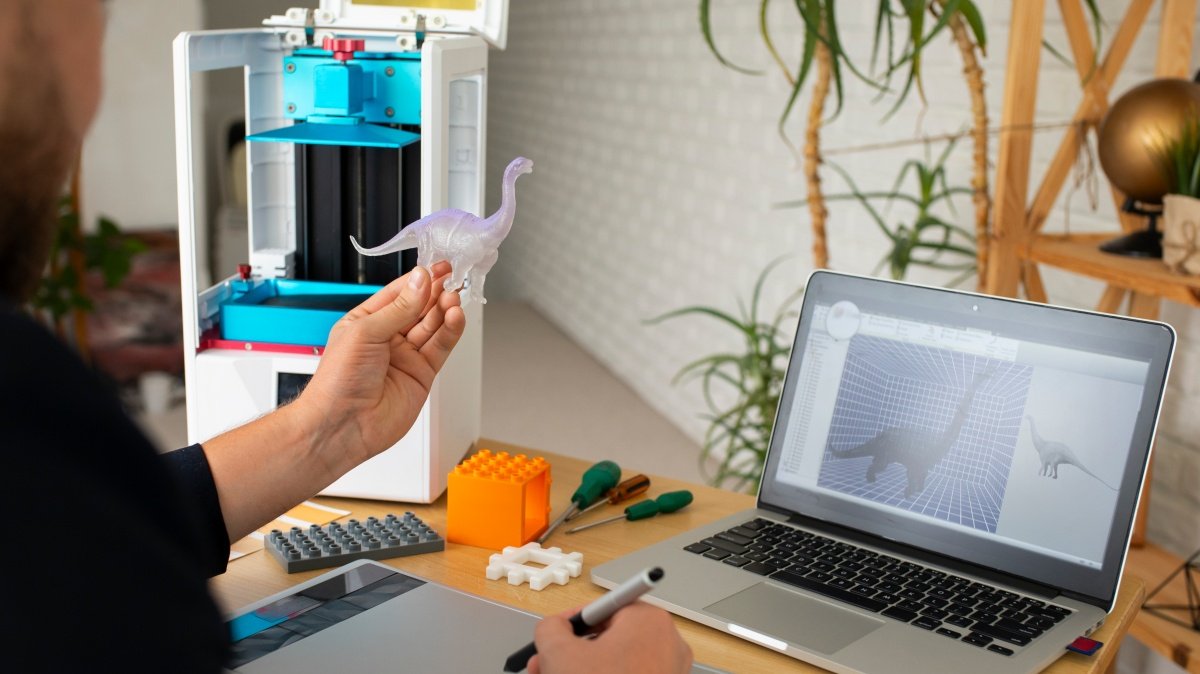
Using a process called additive manufacturing, a 3D printer creates objects layer by layer from a digital design.
Simply put, ideas that once existed only in your imagination can now become physical objects sitting on your desk, displayed in your room, or added to your own miniature world.
A character you designed.
A tiny piece of furniture for a model scene.
A customized decoration that exists nowhere else.
3D printing gives people the ability to move from simply buying things to actively creating them.
And for many hobbyists, that creative process is what makes it so rewarding.
The Joy of Making Something Yourself
Psychologist Mihaly Csikszentmihalyi introduced the concept of flow, a state where people become deeply focused and fully immersed in an activity that is challenging but enjoyable.
Many 3D printing enthusiasts describe a similar experience.
The process is not just about pressing a button and getting a finished object.
It involves:
- imagining an idea
- designing or modifying a model
- preparing the print
- waiting for the result
- solving unexpected problems
- sanding, painting, and improving the final piece
Every step requires attention and creativity.
Unlike many digital activities that leave people feeling passive, 3D printing creates a sense of participation.
You are not just watching something happen.
You are making it happen.
When Miniature Models Meet 3D Printing
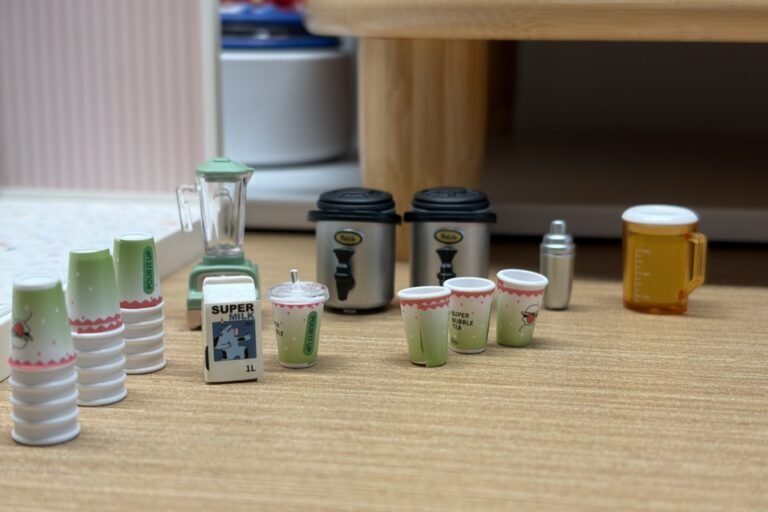
For miniature lovers, 3D printing opens up an entirely new creative universe.
The biggest appeal is not simply creating a model.
It is the ability to personalize every small detail.
Creators can ask questions that were once impossible:
“What if my pet could become part of my miniature world?”
“What if I could create a tiny version of myself?”
“What if my favorite fictional character could appear inside my handmade scene?”
With 3D printing, these ideas can become reality.
Miniature hobbyists are now using 3D printers to create:
- tiny furniture and decorations
- custom miniature accessories
- unique characters
- replacement parts for old models
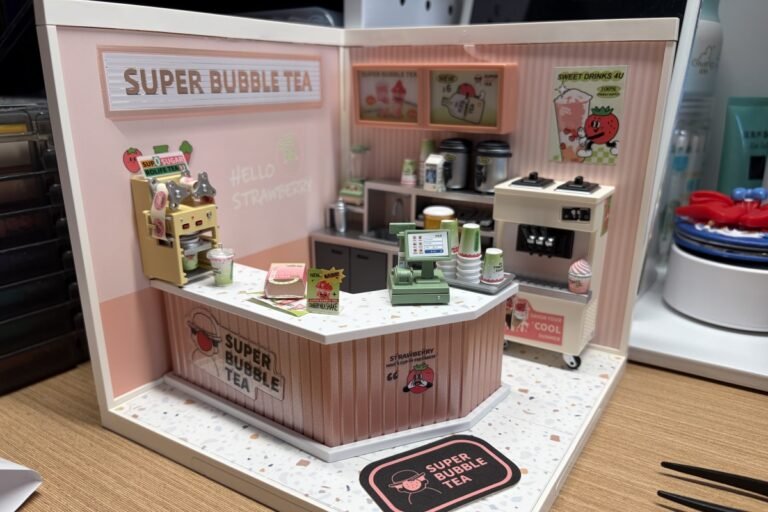
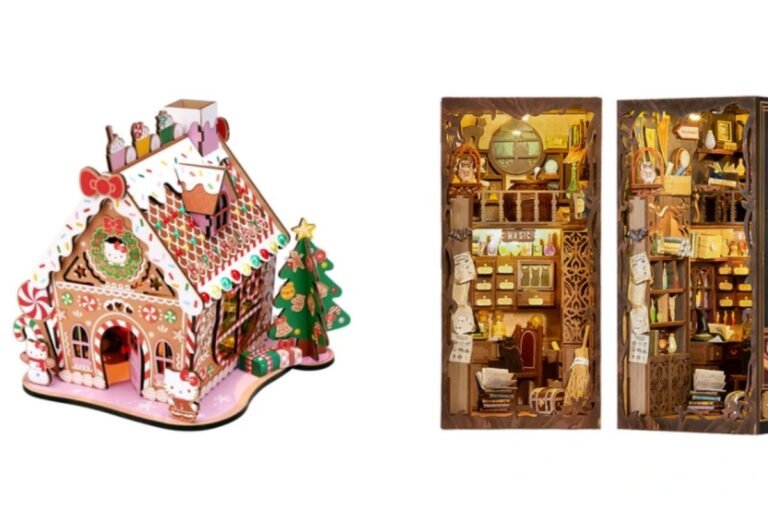
- personalized scenes and dioramas
Rather than replacing traditional crafts, 3D printing expands what makers can do.
It becomes another creative tool — just like paint, clay, wood, fabric, or paper.
The difference is that it allows creators to design something completely personal from the beginning.
FDM vs Resin 3D Printing: Which One Is Better for Beginners?
When people first explore 3D printing, they often encounter two common types:
FDM printing and resin printing.
Understanding the difference can help beginners choose the right option.
FDM 3D Printing: Practical and Beginner-Friendly
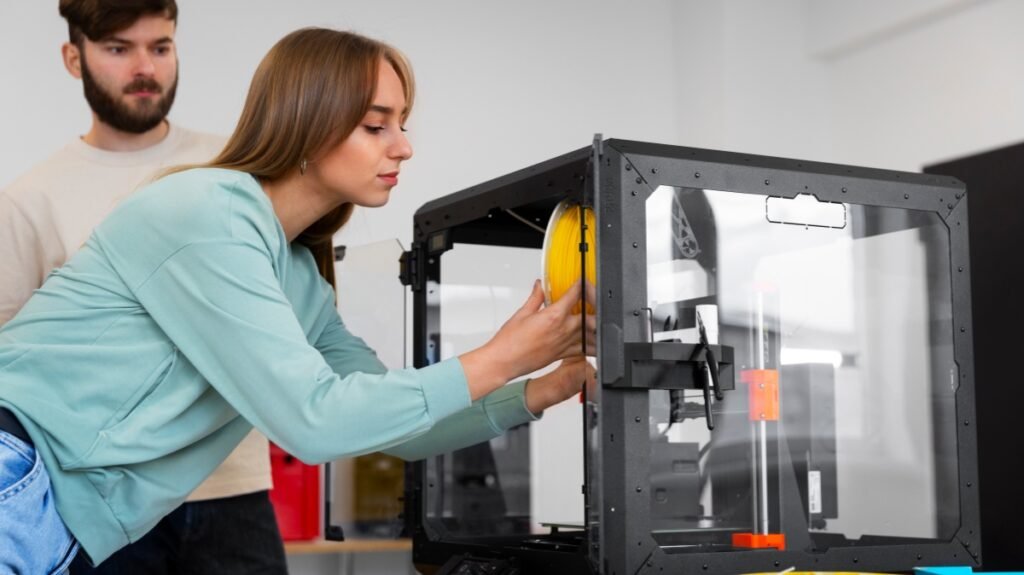
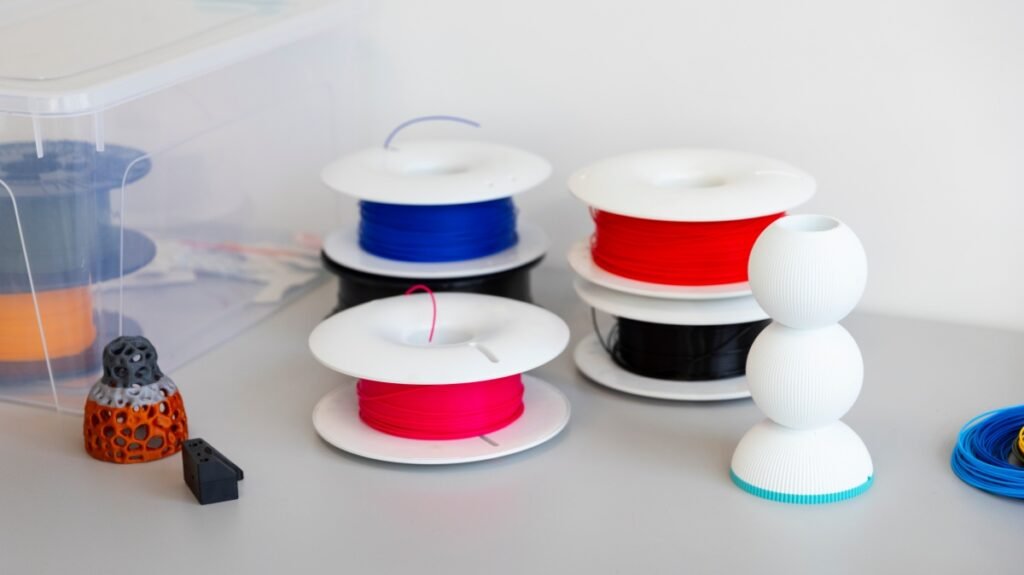
FDM (Fused Deposition Modeling) printers work by melting plastic filament and building objects layer by layer.
They are usually more affordable and easier to maintain, making them a popular choice for beginners.
FDM printers are great for creating:
- functional parts
- storage organizers
- tools and accessories
- larger models
- structural components
For someone who wants to experiment with 3D printing without a complicated setup, FDM is often a comfortable starting point.
Resin 3D Printing: Perfect for Detailed Miniatures
Resin printers use ultraviolet light to cure liquid resin layer by layer.
Their biggest advantage is detail.
Compared with FDM printing, resin printing can capture much finer features, such as:
- miniature facial expressions
- tiny clothing textures
- small decorative elements
- detailed character designs
That is why resin printing has become especially popular among:
- miniature model collectors
- tabletop gaming fans
- artists
- creators who love detailed designs
For miniature enthusiasts, resin printing can feel like unlocking a new level of creativity.
Why 3D Printing Creates a Different Kind of Satisfaction
Many 3D printing enthusiasts describe a special feeling when watching a digital design slowly transform into a real object.
A model on a computer screen becomes something they can touch, hold, and display.
This experience feels very different from simply purchasing a finished product.
Modern life often encourages instant satisfaction.
We order something online, receive it quickly, and move on.
But creating something through 3D printing requires patience.
You have to design.
You have to wait.
You have to test and improve.
Even after printing is complete, many creators continue working on their projects through sanding, painting, assembly, and customization.
Every adjustment brings the final result closer to the original vision.
That process creates a deeper connection between the creator and the finished object.
More Than Technology: A New Way to Express Creativity
At first, many people are attracted to 3D printing because of the technology behind it.
But what keeps them interested is something much more human:
the freedom to create.
Some people use 3D printing to design miniature accessories for their handmade worlds.
Others create custom game pieces, repair discontinued parts, or turn personal ideas into physical objects.
From this perspective, 3D printing is not just a manufacturing tool.
It is a bridge between imagination and reality.
As creative tools become more accessible, making things is no longer limited to professional designers or engineers.
Anyone who enjoys experimenting, building, and exploring can become a creator.
Perhaps that is the true magic of 3D printing:
It gives everyone the possibility to turn an idea into something real.